
Unless your children have allergies, mold should present no threat to their health. People with suppressed immune systems or underlying lung disease may also be more vulnerable than normal to mold, but otherwise it usually does not pose any serious health problems.
In some sections of the country there has been great concern about a particular type of mold, Stachybotrys chartarum (a.k.a. Stachybotrys atra) popularly known as "black mold." People are blaming it for a wide variety of problems, ranging from fatigue and joint pain to Alzheimer's symptoms, internal bleeding and even hearing loss. Despite these claims, there is no evidence that the mold causes anything more than common allergy symptoms such as stuffy nose, eye irritation and wheezing. More severe reactions, including fever and shortness of breath, have typically occurred only among workers exposed to large amounts of it, such as farmers who work around moldy hay.
"Black mold," which is really greenish-black in color, grows in the presence of constant moisture on such materials as fiberboard, gypsum board, paper, dust and lint. The moisture might come from leaks, condensation or flooding.
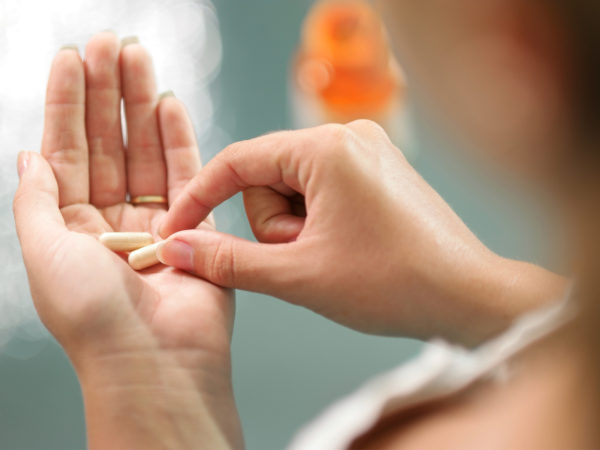
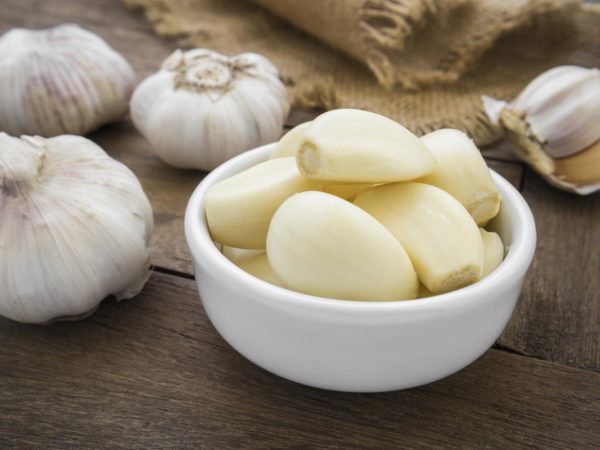
I'm skeptical of all the problems attributed to mold. However, to keep your children healthy and resistant to all types of disease-causing organisms I suggest giving them astragalus (Astragalus membranaceous). The Vitamin Advisor carries astragalus. The dose is two tablets or capsules twice a day. Or you can try giving them an immune-stimulating mushroom tonic such as Host Defense from New Chapter. These come in liquid extract form, which might be easier for kids to take than pills or capsules. Adding fresh garlic to their food can also protect against fungal infections. If your children are allergic to mold, they could wear masks to school, but they probably wouldn't want to and would take them off as soon as you're out of sight to avoid teasing from their classmates.
Andrew Weil, M.D.