

I'm assuming that you refer to adult-onset, type 2 diabetes, the type that commonly affects individuals over 40 years of age and stems from factors that can be controlled - weight, diet, exercise. (It is becoming increasingly common in teenagers as the obesity epidemic progresses.) The other type, type 1 diabetes, usually begins in childhood or adolescence and is an autoimmune disorder that requires regular injections of insulin. An increasing number of experts think that juvenile diabetes might be triggered by exposure to cow's milk (or some other dietary element such as gluten) during an undefined critical period in infancy among genetically susceptible people.
Unlike juvenile diabetes, which is characterized by decreased production of insulin, adult-onset diabetes is the result of increased resistance to the effects of insulin. This form of the disease is correlated with being overweight and inactive; if you think you're at risk, preventing it means controlling your weight and getting sufficient physical exercise.
Instead of determining whether or not you're overweight by consulting actuarial tables based on gender and height, a more accurate method is to determine your body composition - your percentage of body fat. The least expensive way to do this is with electronic calipers that measure skin thickness at various sites on your body, but this method isn't all that accurate. Your physician can recommend an electronic body scan that gives more accurate results.
If you do have to lose weight, follow these recommendations:
- Avoid carbohydrate foods high on the glycemic index, the measure of how easily the body turns them into glucose, provoking an insulin response. You can view this list at www.diabetesdigest.com. A newer concept is glycemic load, where the glycemic index is multiplied by the actual amount of carbohydrates ingested. This is more directly relevant to your food choices. To learn more about the glycemic index, I also recommend reading The Glucose Revolution: The Authoritative Guide to the Glycemic Index, by Thomas M.S. Wolever, M.D, Ph.D, Jennie Brand-Miller, Ph.D (editor), Stephen Colagiuri, M.D. and Kaye Foster-Powell.
- Reduce or eliminate your intake of alcoholic beverages. The body burns calories from alcohol immediately, increasing the likelihood that those from the food you eat along with alcoholic drinks will be stored as fat.
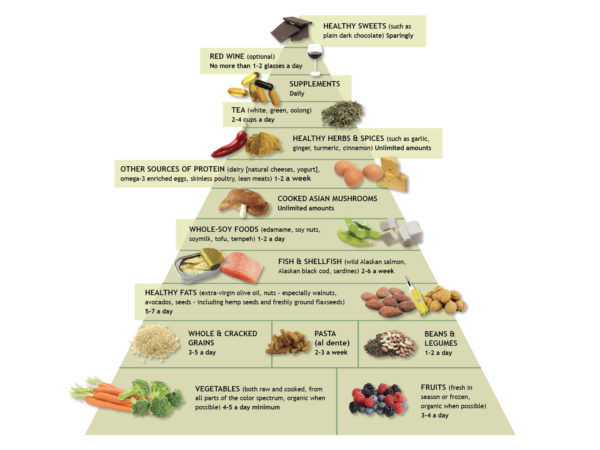
- Follow the diet recommended in my 8 week Program (Dr. Weil's Optimum Health Plan).
- Avoid artificial sweeteners and foods made with them. They are not healthful.
- Avoid foods containing synthetic fat substitutes; they may be unhealthy and won't help you improve your eating habits.
- As far as exercise is concerned, increase your activity in any way you can at every opportunity. Walking is fine. Gradually work up to a brisk 45-minute walk five times a week. Whatever else you can do beyond that will help more.
- Think about why you overeat - to reduce anxiety or dull an inner sense of discomfort, for emotional satisfaction? Try the Relaxing Breath when you feel a food craving - this may not work at first, but keep at it. And choose foods that are low in calories and fat and that are low on the glycemic index. Most fruits and vegetables are safe choices.
Andrew Weil, M.D.