

Q & A Library


Print this page | Send to a friend | Sign up for free e-bulletins
 | Bookmark This Page

FREE E-Bulletins
Free HealthTips & Advice
Email


Bookmark and Share

Q
Safe Sources of Omega-3s?
I'm allergic to shellfish and possibly other fish, but I want to be sure to get the benefits of omega-3 fatty acids. Can I safely take fish oil supplements?
A
Answer (Published 4/29/2003)

Updated 7/12/2005

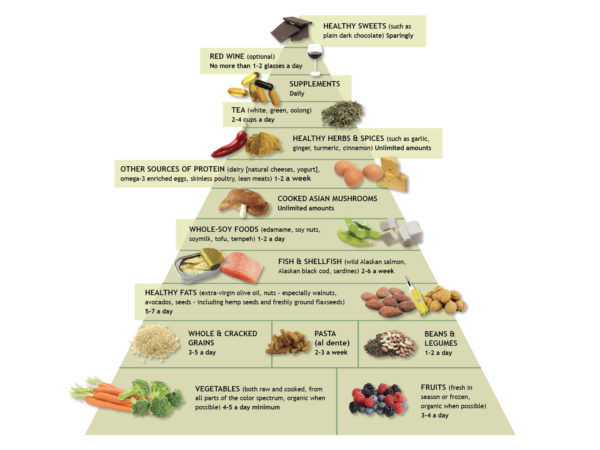
A shellfish allergy shouldn't prevent you from safely taking fish oil supplements, but if you are allergic to fish as well, you could have a problem. In general, I recommend that healthy people get omega-3 fatty acids by eating oily fish (wild Alaskan salmon, mackerel, sardines, herring) at least three times a week instead of taking supplements. If you don't like fish, you can take fish oil capsules. And if you are a vegetarian, you can take omega-3 supplements made from algae (such as neuromins).

Related Weil Products
Dr. Weil's Vitamin Advisor for Supplements & Herbs - If you are interested in supplementing your diet, and want to take the mystery out of choosing vitamins, try Dr. Weil's Vitamin Advisor. Visit today for your free, personalized Dr. Weil's Vitamin Advisor Recommendation.

If you suspect that you have an allergy to fish, it would be worthwhile to find out for sure by getting allergy tested - ask your physician about this. If you do have fish allergy, you still can get enough omega-3 fatty acids without taking supplements simply by adding freshly ground flax seeds to your diet. Buy whole flaxseeds at a natural-food store, keep them in the refrigerator and grind a half-cup or so at a time, using a blender or coffee grinder. Every day, sprinkle a tablespoon on cereals, salads, potatoes, rice or cooked vegetables. The seeds have a nice, nutty taste. Walnuts also contain omega-3s. I use them in cooking and enjoy them as snacks, and I use walnut oil on salads. There are also designer eggs on the market that provide omega-3s, and you can get these essential fats from one green vegetable - purslane (Portulaca oleracea), a wild green with fleshy leaves that you may recognize as a common garden weed. In other parts of the world, people cultivate purslane and serve it as a vegetable; Greeks add it to soups, and some experts think it contributes to the heart-healthiness of the Mediterranean diet. If you garden, you can buy improved varieties of purslane seeds from specialty catalogs.

advertisement

Andrew Weil, M.D.

Creative Commons License Some Rights Reserved Creative Commons Copyright Notice
A portion of the original material created by Weil Lifestyle, LLC on DrWeil.com (specifically, all question and answer-type articles in the Dr. Weil Q&A Library) is licensed under a Creative Commons Attribution-Noncommercial-No Derivative Works 3.0 United States License.

Related Topics
advertisement
 
Copyright © 2010 Weil Lifestyle, LLC
Information on this web site is provided for informational purposes only and is not intended as a substitute for the advice provided by your physician or other healthcare professional. You should not use the information on this web site for diagnosing or treating a health problem or disease, or prescribing any medication or other treatment.