


Q & A Library


Print this page | Send to a friend | Sign up for free e-bulletins
 | Bookmark This Page

FREE E-Bulletins
Free HealthTips & Advice
Email


Digg!

Q
Where's the Best DHA?
Must DHA supplements be derived from algae or can the same benefit be obtained from fish oil? I have read that DHA from algae is superior to that from other sources. Also, does fish oil cause bad breath and/or belching?
A
Answer (Published 4/24/2003)

Updated 7/12/2005

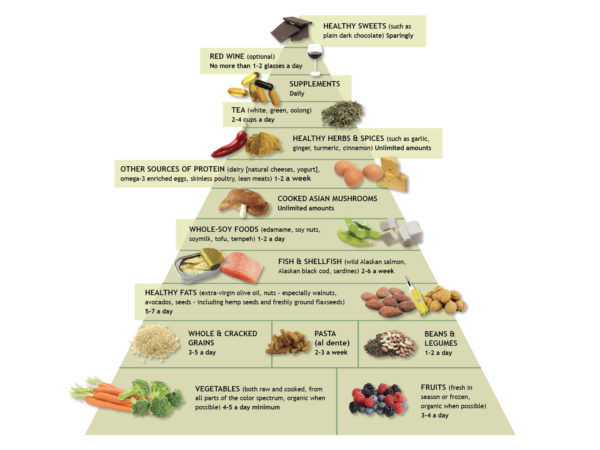
DHA (docosahexaenoic acid) is one of the two important fatty acids in fish oils (the other is EPA, eicosapentaenoic acid). We all need these nutrients in our diet for long-term physical and mental health and, as recent research confirms, to reduce our risks of inflammation, heart disease, cancer, and depression. If you're healthy, I recommend getting them by eating at least three servings per week of oily fish (wild Alaskan salmon, mackerel, sardines, or herring).

Related Weil Products
Dr. Weil's Vitamin Advisor for Supplements & Herbs - If you are interested in supplementing your diet, and want to take the mystery out of choosing vitamins, try Dr. Weil's Vitamin Advisor. Visit today for your free, personalized Dr. Weil's Vitamin Advisor Recommendation.

If you do take supplements, fish oil is a better source of DHA than algae because it contains these fatty acids in the form that the body requires. The only instance of which I'm aware that algae is regarded as a superior source of DHA is for supplementation of infant formula.

DHA and another fatty acid, AA (arachidonic acid) are found naturally in breast milk, but if mothers can't nurse, their babies are deprived of these nutrients because infants, especially those born prematurely, can't manufacture enough in their own bodies for optimal brain development. A number of studies have shown that formulas supplemented with DHA and AA enhance visual acuity in babies; intellectual development appears to be better, too.

advertisement

Fish oil can't be used to supplement infant formula because it contains other fats that slow babies' growth, but in 2001 the FDA approved adding DHA and AA from algae and fungal sources to formulas. DHA and AA- supplemented infant formulas have been sold in Europe and Asia for years.

Taking fish oil supplements usually doesn't cause side effects but can sometimes cause belching, flatulence, nausea, and diarrhea. Very high doses may result in a slightly fishy body odor. I've also heard that taking the capsules can result in a fishy odor on the breath, but I don't think this is common.

Andrew Weil, M.D.

advertisement
 
Copyright © 2009 Weil Lifestyle, LLC
Information on this web site is provided for informational purposes only and is not intended as a substitute for the advice provided by your physician or other healthcare professional. You should not use the information on this web site for diagnosing or treating a health problem or disease, or prescribing any medication or other treatment.