

Updated 3/22/2005
Congratulations on your weight loss. Now that you've had such a successful start, you're wise to think about switching to a more balanced and nutritious diet that will allow you to maintain optimum health and weight.
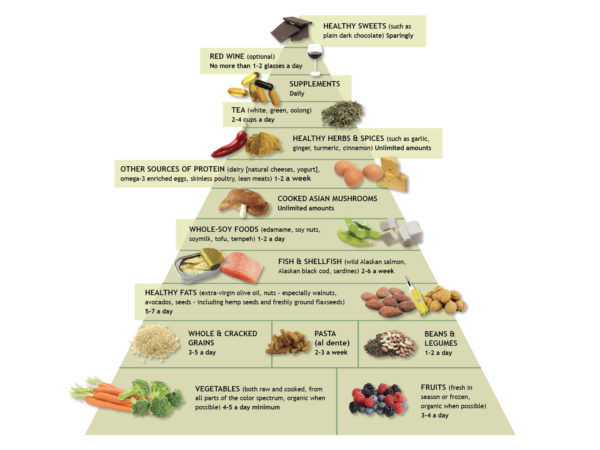
I recommend that you continue to avoid refined and processed carbohydrate foods, especially products made from flour and those heavy on sugar. Instead, include in your diet some beans, sweet potatoes, winter squashes temperate fruits (especially berries, apples and pears), and some whole grains (such as wild rice, quinoa and barley). To learn which carbohydrates to avoid and which to include in your diet, familiarize yourself with the glycemic index, a guide to foods that cause increases in insulin production and conversion of calories to fat. You can consume up to 40 percent of your daily calories as carbohydrate if you stick to foods that rank "low" to "moderate" on the glycemic index. (See the Healthy Kitchen section for more information.)
You should also cut back on the amount of protein you've been eating, especially red meat. Instead, choose fish and soy protein. Up to 30 percent of your total calories can come from protein, while 30 percent should come from fat. Make sure that some of those fat calories are omega-3 fatty acids from wild Alaskan salmon, sardines, walnuts, or freshly ground flaxseeds. The rest should be mostly monounsaturated fat from olive oil, nuts, and avocadoes.
You can read more about this approach to eating in the book, Eat, Drink and Be Healthy: The Harvard Medical School Guide to Healthy Eating by Walter C. Willet, MD, who believes that our national epidemic of obesity is driven by too many of the wrong kind of carbohydrates, the wrong kinds of fats, too many calories, and not enough exercise.
In fact, Dr. Willett has constructed his own version of the food pyramid. At its base is daily exercise. If you hope to lose weight and keep it off, regular exercise is essential.
Andrew Weil, M.D.