

Experts: Interviews


Print this page | Send to a friend | Sign up for free e-bulletins
 | Bookmark This Page

FREE E-Bulletins
Free HealthTips & Advice
Email


Digg!

Green Tea Benefits of Matcha Tea

matcha tea green tea benefits

An Interview with Tea Expert Sebastian Beckwith

Of all the types of tea (red, black, green, white), which offers the most health benefits?
There have been many studies done on the tea plant, but usually they are not examinations of the different types of tea, but rather comparisons of different types of beverages entirely (like coffee and tea). Most of the studies show that the tea plant in all its different forms is health-promoting, although none of these are conclusive.

All tea comes from the same plant, Camellia sinensis, which is related to the Camellia plant. It's a woody shrub native to southern China that is generally kept plucked to picking height (3-4 feet). The plant can produce white, green, oolong, black (known as Red tea in China) and pu-erh tea depending on the region, specific plant varietal and processing method. It's important to note that the "Red Tea" that's being marketed by some large distribution companies is really an herbal infusion. It's not really tea and although it contains antioxidants, they are not the same ones that are being studied in connection with the tea plant, or the ones which have shown to be very potent in the many studies that have come out over the last few years.

What makes matcha tea so special?

advertisement
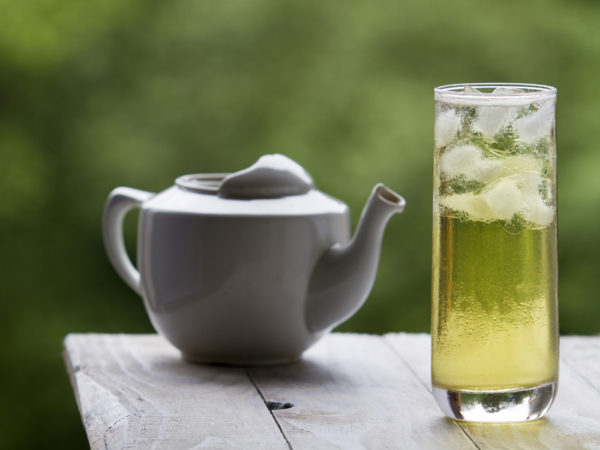
The green tea benefits of matcha tea is a high-quality green tea that is covered before picking to accentuate the color, then stone-ground after being picked and before being sealed into small tins. Matcha tea is enjoyed in many ways. In Japan it is a very important part of the tea ceremony, and in both Asia and the West, people drink it because they like the taste and the ritual. Now some people are drinking it because of the reported health benefits.

The taste is strong and vegetal - some people would say spinachy, others would say grassy and with an umami character. This will also of course depend on the quality and source that you use. The tea used to make matcha tea is important; there are many cheaper imitations that use low-grade tea.

As with all teas, where you get it is important. You want to purchase your tea from an importer who moves through their stock so that you get fresh product. You should use about a teaspoon in a bowl with a third of a cup of hot water and heated to less than a boil. Then agitate it with a bamboo whisk and you are ready to drink it.

Are there any other uses/benefits for tea in which you don't have to drink it?
There are many culinary traditions involving tea - from the famous tea-smoked duck to a wonderful oolong tempura I had several years ago. I personally like to focus on drinking tea instead of trying to cook it many different ways.

Have you always had an interest in tea?
I had been learning about tea for some time before visiting the tea estates in Darjeeling in the early 1990s. As I spent a lot of time in the Himalayas, it was a great way to learn more from the people actually growing and making the tea. I began to appreciate the nuances of flavor and the skill necessary to produce the remarkable single-estate teas.

Visit Sebastian's Web site: www.www.inpursuitoftea.com

For more information on green tea benefits, read Dr. Weil's article on buying green tea.


advertisement
 
Copyright © 2008 Weil Lifestyle, LLC
Information on this web site is provided for informational purposes only and is not intended as a substitute for the advice provided by your physician or other healthcare professional. You should not use the information on this web site for diagnosing or treating a health problem or disease, or prescribing any medication or other treatment.