

Weil Lifestyle


Print this page | Send to a friend | Sign up for free e-bulletins
 | Bookmark This Page

FREE E-Bulletins
Free HealthTips & Advice
Email


Digg!


In the News: The Spices of Life

Is food medicine? Is medicine food? If spices and herbs are packed with disease-fighting compounds, should we just swallow them in pill form and call it dinner?

No way! Said Tieraona Low Dog, M.D., educational director of the Arizona Center for Integrative Medicine at the University of Arizona, of which Dr. Weil is director; Dr. Low Dog is also a clinical assistant professor of medicine at the University’s College of Medicine. Aromatic and flavorful herbs and spices are an important part of our sensual and cultural world, Dr. Low Dog said, and should be enjoyed as such. The fact that so many of these botanicals have powerful medicinal properties only makes them more valuable as foods, and their potential as healing agents should add to our enjoyment.

In a talk to healthcare professionals on May 1 at the Nutrition and Health Conference in New York City, jointly sponsored by the University of Arizona College of Medicine and the Columbia University College of Physicians and Surgeons, Dr. Low Dog stressed that even as scientists isolate the active chemicals in these plants, people should enjoy them in their natural form. “Modern science cannot replicate in a pill the vast array of phtyochemicals found in plants,” Dr. Low Dog said. “Use them whole. As a cook, herbalist, physician and consumer I can tell you that there are a lot of reasons to season your food. Just as you want variety in the foods you eat, you should strive for variety in the spices and herbs you use to flavor your food as they offer a range of health promoting properties.”

If you’re interested in awakening your senses and turning your body on to the health- boosting benefits of culinary herbs and spices, here are some reasons - and ways - to get going:

advertisement

As a sensual hit: Certain spices create feelings of warmth, even heat, in the body, no matter what the weather. Dr. Low Dog enjoys the warmth of ginger as a tea or food spice when she travels from her home in Tucson to a colder climate. “Ginger has a pleasant warming effect,” she said. Alternatively, cayenne and other peppers stimulate perspiration, essentially turning on the body’s natural cooling system. That’s why these spices are traditionally eaten in hot climates.

To turn down pain: When neuralgic pain strikes, or arthritic aches overwhelm, herbs and spices can cut the pain. Ginger and chili peppers (containing capsaicin) do this by interfering with chemicals that serve as nerve signals; both are available as topical creams or gels. Like some over-the-counter painkillers, some plants also act as natural COX 2 inhibitors, thus reducing pain and inflammation. Adding ginger, turmeric or basil to the diet may be useful for those with minor aches and pains. When tooth or gum pain strikes, clove oil is an effective oral anesthetic, she said, performing just as well as topical benzocaine in studies.

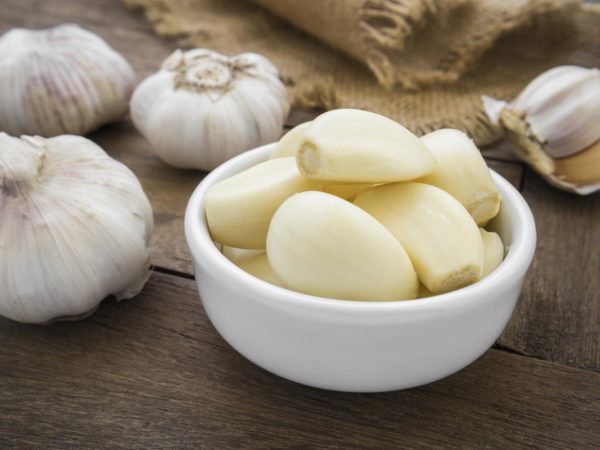
As a turn-on for digestion: The smell and taste of spices start digestive juices flowing, priming the body for the task of breaking down food, said Dr. Low Dog. But herbs and spices keep working all the way through the digestive tract. Anise and fennel both relieve intestinal gas, and fennel is a centuries-old remedy for colic in infants. Cinnamon has been shown to reduce blood sugar. Researchers are hoping this popular spice will be a weapon against diabetes. Plants in the Allium genus (garlic, onions and leeks) may help protect the body from gastrointestinal cancers. Turmeric, the spice in curry, also appears promising.

As a weapon against food pathogens: Herbs and spices have long been used to help prevent food from spoiling by killing bacteria and other harmful organisms. Studies have shown that a wash of one-percent basil essential oil effectively eliminates bacteria on fruits and vegetables, and is much friendlier than bleach, said Dr. Low Dog. A pepper grinder may also be an ally in your pursuit of health. Black pepper is not only antibacterial; compounds in the common spice protect DNA as well, making it a possible weapon against cancer.

To fight infections: In India, basil is commonly used a home remedy for coughs and colds and topically for minor cuts and scrapes. Research has now shown that the herb indeed has potent antimicrobial activity and may reduce bronchial spasm, said Dr. Low Dog. Thyme is another herb to consider when fighting off a cold. It is approved in Europe for use in upper respiratory infections; it’s also effective against oral thrush. Likewise, sage tea is effective for sore throats.

To calm and soothe: Upset stomach in the house? Cinnamon and ginger are two great home remedies, said Dr. Low Dog. One-quarter teaspoon of cinnamon in a small bowl of applesauce tastes good and calms the stomach. Rosemary is a traditional remedy for headaches—perhaps due to its anti-inflammatory properties. For those with irritable bowel syndrome, peppermint oil may help reduce symptoms. Sage is approved in Germany for those troubled by excessive perspiration, and herbalists commonly recommend it for menopausal women troubled with night sweats.

To improve your outlook: Nutmeg, a common ingredient in eggnog and confections, appears to have some beneficial effects on mood, possibly enhancing serotonin’s activity, said Dr. Low Dog. Nutmeg is also a common ingredient in colas. Another promising herb for brain health may be sage. Dr. Low Dog presented some of the research that suggests the herb may improve some symptoms of early Alzheimer’s disease. She also noted that the word “sage” is used to signify a wise elder. Maybe the ancients were on to something.

By Kathy Kukula
DrWeil.com News

advertisement
 
Copyright © 2009 Weil Lifestyle, LLC
Information on this web site is provided for informational purposes only and is not intended as a substitute for the advice provided by your physician or other healthcare professional. You should not use the information on this web site for diagnosing or treating a health problem or disease, or prescribing any medication or other treatment.