

advertisement


Balanced Living


Print this page | Send to a friend | Sign up for free e-bulletins
 | Bookmark This Page

Downward-Facing Dog

down dog

"The practice of yoga is not only very valuable to my system of spontaneous healing, but to yours as well."
-- Andrew Weil, M.D.

One of the most widely recognized yoga poses, Downward-Facing Dog is an all-over, rejuvenating stretch.
Adho Mukha Svanasana (AH-doh MOO-kah shvah-NAHS-anna)adho = downward, mukha = face, svana = dog

Benefits

  • Calms the brain and helps relieve stress and mild depression
  • Energizes the body
  • Stretches the shoulders, hamstrings, calves, arches, and hands
  • Strengthens the arms and legs
  • Helps relieve the symptoms of menopause
  • Relieves menstrual discomfort when done with head supported
  • Helps prevent osteoporosis
  • Improves digestion
  • Relieves headache, insomnia, back pain, and fatigue
  • Therapeutic for high blood pressure, asthma, flat feet, sciatica, sinusitis

Contraindications/Cautions
Use caution if you are currently or have experienced any of the following:

  • Carpal tunnel syndrome
  • Diarrhea
  • Pregnancy: Do not do this pose late-term.
  • High blood pressure or headache: Support your head on a bolster or block, ears level between the arms.

Step by Step

  1. Come onto the floor on your hands and knees. Set your knees directly below your hips and your hands slightly forward of your shoulders. Spread your palms, index fingers parallel or slightly turned out, and turn your toes under.
  2. Exhale and lift your knees away from the floor. At first keep the knees slightly bent and the heels lifted away from the floor. Lengthen your tailbone away from the back of your pelvis and press it lightly toward the pubis. Against this resistance, lift the sitting bones toward the ceiling, and from your inner ankles draw the inner legs up into the groins.
  3. Then with an exhalation, push your top thighs back and stretch your heels onto or down toward the floor. Straighten your knees but be sure not to lock them. Firm the outer thighs and roll the upper thighs inward slightly. Narrow the front of the pelvis.
  4. Firm the outer arms and press the bases of the index fingers actively into the floor. From these two points lift along your inner arms from the wrists to the tops of the shoulders. Firm your shoulder blades against your back, then widen them and draw them toward the tailbone. Keep the head between the upper arms; don't let it hang.
  5. Adho Mukha Svanasana is one of the poses in the traditional Sun Salutation sequence. It's also an excellent yoga asana all on its own. Stay in this pose anywhere from 1 to 3 minutes. Then bend your knees to the floor with an exhalation and rest in Child's Pose.

Modifications & Props
To get a feel for the work of the outer arms, loop and secure a strap around your arms just above your elbows. Imagine that the strap is tightening inward, pressing the outer arms in against the bones. Against this resistance, push the inner shoulder blades outward.

Variation
To challenge yourself in this pose, inhale and raise your right leg parallel to the line of your torso, and hold for 30 seconds, keeping the hips level and pressing through the heel. Release with an exhalation and repeat on the left for the same length of time.

Beginners Tip
If you have difficulty releasing and opening your shoulders in this pose, raise your hands off the floor on a pair of blocks or the seat of a metal folding chair.

Deepen the Pose
To increase the stretch in the backs of your legs, lift slightly up onto the balls of your feet, pulling your heels a half-inch or so away from the floor. Then draw your inner groins deep into the pelvis, lifting actively from the inner heels. Finally, from the height of the groins, lengthen the heels back onto the floor, moving the outer heels faster than the inner.

Partnering
A partner can help you learn how to work the top thighs in this pose. First perform Adho Mukha Svanasana. Have your partner stand behind and loop a strap around your front groins, snuggling the strap into the crease between your top thighs and front pelvis. Your partner can pull on the strap parallel to the line of your spine (remind him/her to extend the arms fully, and keep the knees bent and chest lifted). Release the heads of your thigh bones deeper into your pelvis and lengthen your front torso away from the strap.

Please consult your physician before starting this or any exercise program.

Information courtesy of Yoga Journal.

Dr. Weil's Vitamin Advisor
Receive Your FREE Personalized Vitamin Recommendation & Supplement Plan Today!

Free Vitamin Recommendation
Let Dr. Weil customize a free vitamin & supplement plan for you. Take the Vitamin Advisor questionnaire today!

Dr. Weil's Spontaneous Happiness
Based on his new book, this online
plan helps chart your 8-week path to
optimum emotional well-being.

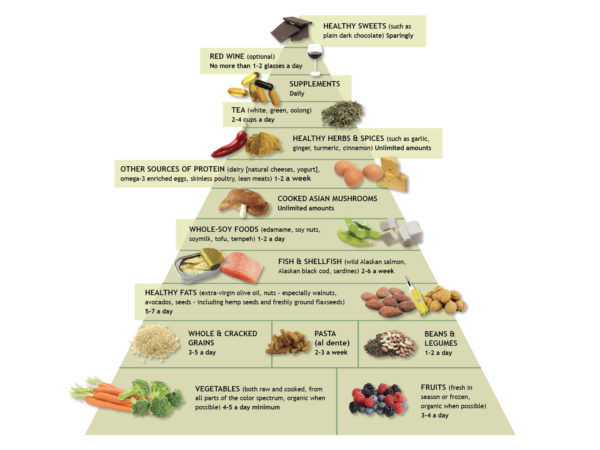
Dr. Weil's Anti-Inflammatory Diet Food Pyramid
Our interactive tool can help improve overall health through diet.

Dr. Weil on Healthy Aging
Your Online Guide to the Anti-Inflammatory Diet. Start eating for your health - begin your free trial now.

Dr. Weil's Optimum Health Plan
Your 8-week plan to wellness.
Begin your journey today!
 

Dr. Weil's Head-to-Toe
Wellness Guide

Your guide to natural health.
Use the Wellness Guide today!

Condition Care Guide
Learn about health conditions from acne to vertigo, and Dr. Weil's view of the best treatment options for each.

Healthy Recipes
Discover a treasure trove of healthy, healing foods and creative, delicious ways to prepare them.

Q&A Library
Over 2,000 questions from you
and their corresponding answers
from Dr. Weil.

Vitamin Library
Supplement your knowledge within Dr. Weil's vitamin compendium. Learn why they are necessary and more.

 
Copyright © 2012 Weil Lifestyle, LLC
Information on this web site is provided for informational purposes only and is not intended as a substitute for the advice provided by your physician or other healthcare professional. You should not use the information on this web site for diagnosing or treating a health problem or disease, or prescribing any medication or other treatment.