


The acid/alkaline balance of blood is impeccably regulated, and hype around special products to change your body's pH is just clever marketing. But it is true that to maintain this balance, the body may draw calcium from bones to buffer excess acidity. Over time, this could weaken bones and increase the risk of osteoporosis. I discussed your question with Tieraona Low Dog, M.D., director of the Fellowship at the Arizona Center for Integrative Medicine and an expert in women's health. She noted that there is little question that the mainstream Western diet imposes a high acidic load that can lead to a very low level of "metabolic acidosis." The key words here are "very low level" (true metabolic acidosis is usually the result of kidney failure or other serious disease, not of dietary imbalances).
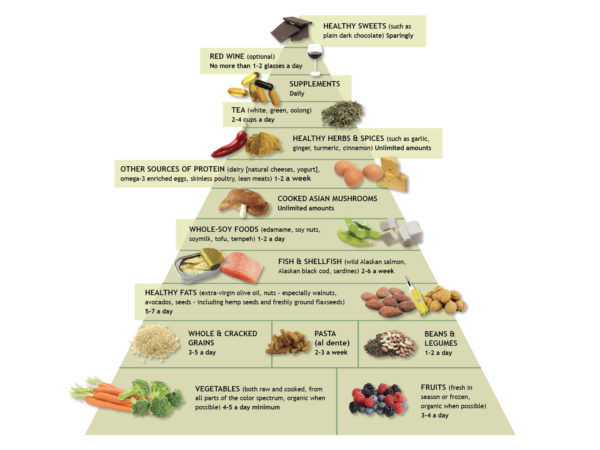
The primary way we get rid of excess acid is by breathing out carbon dioxide. but the body does also use calcium from bones, and Dr. Low Dog notes that there is growing evidence that the typical American diet increases the risk of osteoporosis. She advises consuming seven to nine servings of fruits and vegetables every day to help balance acidity from meat, sugar, and processed foods.
Dr. Low Dog also says that ongoing research is looking at whether drinking mineral water could help reduce bone loss by maintaining the body's acid/alkaline balance. One study from Switzerland published in 2007 found that drinking mineral water containing bicarbonate as well as calcium slowed bone loss by 15 percent in young women who already had a relatively high calcium intake. Dr. Low Dog adds that while much more work needs to be done in this area, the issue of eating to support acid/alkaline balance is one more reason to follow the healthy, traditional diets of the Mediterranean and Asian regions of the world. My anti-inflammatory diet will also do the trick.
Andrew Weil, M.D.