


Q & A Library


Print this page | Send to a friend | Sign up for free e-bulletins
 | Bookmark This Page

FREE E-Bulletins
Free HealthTips & Advice
Email


Digg!

Q
Allergic to Soy?

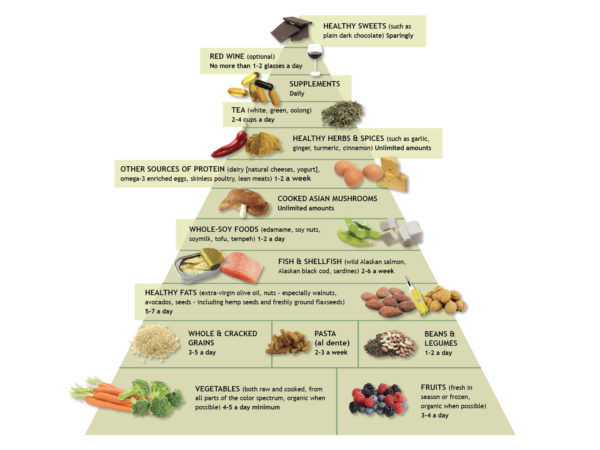
I'm trying to follow your anti-inflammatory diet, but I'm allergic to soy. Is there a nutritional substitute?

A
Answer (Published 11/9/2009)

Soy allergies are most common in infants and young children, and they almost always outgrow them. While these allergies are unusual in adults, they can occur and, reportedly, their incidence is increasing. In many cases, however, what you may perceive as an allergy may actually be a sensitivity to soy or simply an intolerance of these foods.

Related Weil Products
Dr. Weil's Vitamin Advisor for Allergies and Asthma - Avoiding smoke and pollution and getting regular exercise can help you breathe easier. Take your health one step further with proper supplements. Get a plan that's optimized for you - a free, personalized recommendation from Dr. Weil's Vitamin Advisor.

Allergic reactions are mediated by the immune system and are marked by symptoms such as hives, runny nose, rashes, nausea, diarrhea and, most seriously, anaphylactic shock. Some 15 possible allergens in soy protein are capable of triggering these responses. Fortunately, soy allergy symptoms are typically mild.

You can be tested to confirm an allergy to soy with a skin-prick test or an IgE RAST blood test. If those tests are negative, your problem with soy foods is likely to be an intolerance or sensitivity. Randy Horwitz, M.D., Ph.D., medical director of the Arizona Center for Integrative Medicine at the University of Arizona, who specializes in immunology, notes that when food sensitivities are the problem, traditional allergy tests often yield negative results. He says that in his practice, he has not seen uniformly good results with IgG anti-food blood tests, applied kinesiology (muscle strength testing), or "live blood" microscopic analysis, all of which have been advocated by some practitioners as ways of determining food intolerances. I also don't recommend any of these tests to confirm or diagnose food sensitivities.

advertisement

Dr. Horwitz and I agree that the only reliable approach to determining food intolerances or sensitivities is to eliminate suspect foods, then reintroduce them to see if they provoke reactions

If your problem with soy is an intolerance or sensitivity, you may be able to overcome it. After avoiding soy foods for a few months, try reintroducing them very gradually. Start with a teaspoon of soy milk every day and increase the amount very slowly over a month or so. If you do this, chances are good that you'll be able to develop tolerance to soy and expand the number of whole soy foods you can enjoy on my anti-inflammatory diet. Best of luck.

Andrew Weil, M.D.

Are you allergic, intolerant or sensitive to any type of food? Click here to share your story in our discussion groups.
advertisement
 
Copyright © 2009 Weil Lifestyle, LLC
Information on this web site is provided for informational purposes only and is not intended as a substitute for the advice provided by your physician or other healthcare professional. You should not use the information on this web site for diagnosing or treating a health problem or disease, or prescribing any medication or other treatment.