


Q & A Library


Print this page | Send to a friend | Sign up for free e-bulletins
 | Bookmark This Page

FREE E-Bulletins
Free HealthTips & Advice
Email


Bookmark and Share

Q
Scombroid Poisoning: Eating Bad Fish?

I have been diagnosed with scombroid poisoning. I was told to take Benadryl and Zantac. I have followed this for a week. What else can I do to speed my recovery?

A
Answer (Published 10/23/2009)

Scombroid poisoning can result from eating fish that is not immediately refrigerated or frozen after it is caught. It is usually associated with big, meaty fish such as tuna, mackerel, mahi mahi and albacore. Symptoms are caused by a histamine-like toxin produced by bacteria that normally live on the fish. The longer a fish sits out before being refrigerated or frozen, the greater the bacterial load, and the greater the risk of scombroid poisoning.

Related Weil Products
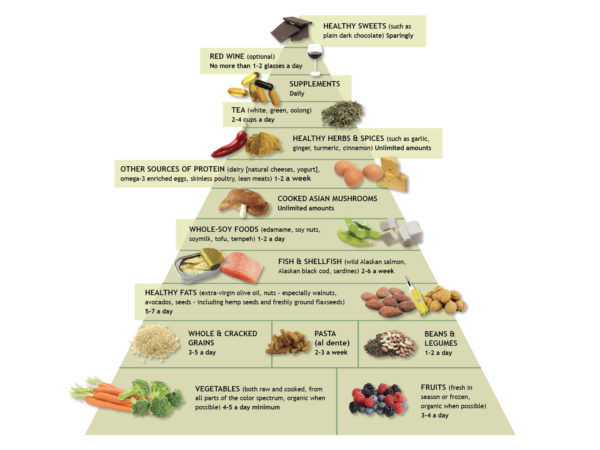
Dr. Weil on Healthy Aging for Healthy Eating - Dr. Weil on Healthy Aging for Nutrition - Want to change your diet? The Dr. Weil on Healthy Aging online guide is your anti-inflammatory diet headquarters. Start your free trial and get access to an exclusive version of Dr. Weil's Anti-Inflammatory Food Pyramid, hundreds of recipes, eating guides, and more.

Symptoms usually develop immediately after eating and can include flushing, hives and itching, nausea, vomiting, diarrhea and, in severe cases, breathing problems. Treatment begins with giving antihistamine medications such as Benadryl, and, if needed, intravenous fluids to replace what you may have lost from vomiting and diarrhea. If you go to the emergency room, you may get drugs to stop the vomiting and, if needed, stronger medication to quell a severe allergic reaction. In rare cases, a breathing tube may be needed. Fortunately, the symptoms of scombroid poisoning usually subside within a few hours of treatment. If your symptoms have persisted for a week, you should be aware of another, more serious type of poisoning associated with eating fish: ciguatera (pronounced seeg-wha-terra). This can occur as a result of eating fish from warm tropical waters that have consumed ciguatoxin, a poison made in small amounts by algae and algae-like organisms called dinoflagellates. Here's what happens: little fish that eat the algae become contaminated. If larger fish eat a lot of the smaller, contaminated fish, the poison can build to a dangerous level. Because ciguatoxin is heat-stable, cooking doesn't destroy it. Fish that carry this poison include sea bass, grouper and red snapper and are most common in waters around Florida and Hawaii.

advertisement

Symptoms of ciguatera poisoning typically develop two to 12 hours after eating and include nausea, vomiting, diarrhea, dizziness and numbness followed by headache, a metallic taste in your mouth, and a change in your ability to feel cold and hot – you perceive something as hot when it really is cold and vice versa. Treatment includes medication to stop the vomiting, IV fluids to replace those lost from vomiting and diarrhea, and in severe cases the drug mannitol to help reduce neurological symptoms such as dizziness, numbness and misperception of cold. Ciguatera poisoning symptoms can last from days to weeks depending on the severity of the case.

Anytime you eat bad fish in a restaurant, be sure to let the management know; your doctor should contact the local health department to make sure the fish is discarded before other people get sick.

Andrew Weil, M.D.

Have you ever gotten sick after eating fish? Click here to share your story in our discussion groups.
Creative Commons License Some Rights Reserved Creative Commons Copyright Notice
A portion of the original material created by Weil Lifestyle, LLC on DrWeil.com (specifically, all question and answer-type articles in the Dr. Weil Q&A Library) is licensed under a Creative Commons Attribution-Noncommercial-No Derivative Works 3.0 United States License.
advertisement
 
Copyright © 2010 Weil Lifestyle, LLC
Information on this web site is provided for informational purposes only and is not intended as a substitute for the advice provided by your physician or other healthcare professional. You should not use the information on this web site for diagnosing or treating a health problem or disease, or prescribing any medication or other treatment.