

Q & A Library


Print this page | Send to a friend | Sign up for free e-bulletins
 | Bookmark This Page

FREE E-Bulletins
Free HealthTips & Advice
Email


Digg!

Q
Sun Poisoning: No Fun in the Sun?

I was recently diagnosed with polymorphic light eruption. Can you suggest natural remedies to help prevent or lessen my breakouts?

A
Answer (Published 5/14/2009)

Polymorphic light eruption is a medical term for sun poisoning and means that you're super-sensitive to the ultraviolet rays in sunlight. Exposure brings on pimples or blisters that appear on the skin one to four days after you've soaked up some rays and can last up to two weeks. With severe sunburn you're likely to feel really sick, with more dramatic symptoms like nausea, vomiting, fever, chills, and headache. A bad burn can also lead to skin infections that require medical treatment.

Related Weil Products
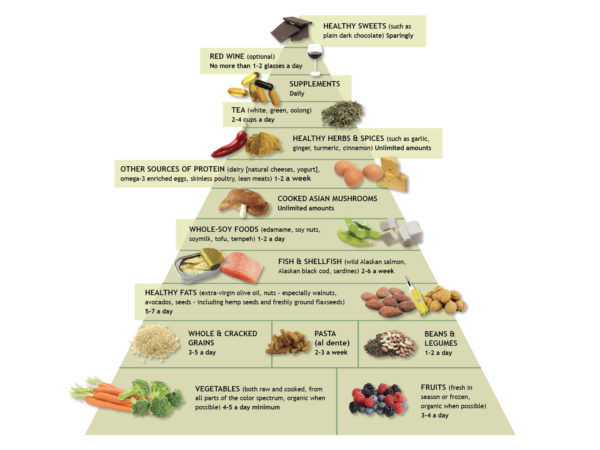
Dr. Weil on Healthy Aging - Your Online Guide to the Anti-Inflammatory Diet! - Everything you need to get started eating a healthful, satisfying diet is here - including eating and shopping guides, over 200 recipes, and an exclusive version of Dr. Weil's Anti-Inflammatory Food Pyramid! Start your 14-day free trial now - and start eating anti-inflammatory today!

Almost everyone has experienced sunburn, but if your skin is light sensitive, this can happen within as little as 20 minutes in the sun. To help relieve the "burning" when this happens, apply cold compresses - a washcloth soaked in cold water should do the trick. Over-the-counter corticosteroid creams probably won't provide any better relief, so you might as well save your money.

These ultra-sensitive reactions to sunlight can be worsened if you're taking some medications, including certain antibiotics, or herbs such as St. John's wort. Photosensitivity reactions can also stem from the interaction of the sun's rays with perfumes, soaps, and other substances on your skin. More seriously, a photosensitivity reaction sometimes can be the first sign of systemic lupus erythematosus, an autoimmune disease.

advertisement

For the light-sensitive, the simplest way to avoid problems is to stay out of the sun, particularly from about 10 a.m. to 2 p.m., from April through September. When you can't avoid the sun, be sure to use a sunblock with an SPF of 15 or higher. Apply it at least 20 minutes before you go outdoors, and remember to take it with you and put more on: use about an ounce each time and be sure to reapply every two hours.

When you do develop a reaction to the sun, I suggest using topical aloe vera to soothe your skin. You also might take the herbal anti-inflammatory Zyflamend from New Chapter and fish oil (2-3 grams a day) as an additional means of minimizing inflammation. I also recommend following my anti-inflammatory diet. And you might try hypnotherapy, which can be very effective in treating skin conditions and may help change your reaction to sunlight.

Andrew Weil, M.D.

Are you super-sensitive to the sun? Click here to share your story in our discussion groups.
advertisement
 
Copyright © 2009 Weil Lifestyle, LLC
Information on this web site is provided for informational purposes only and is not intended as a substitute for the advice provided by your physician or other healthcare professional. You should not use the information on this web site for diagnosing or treating a health problem or disease, or prescribing any medication or other treatment.