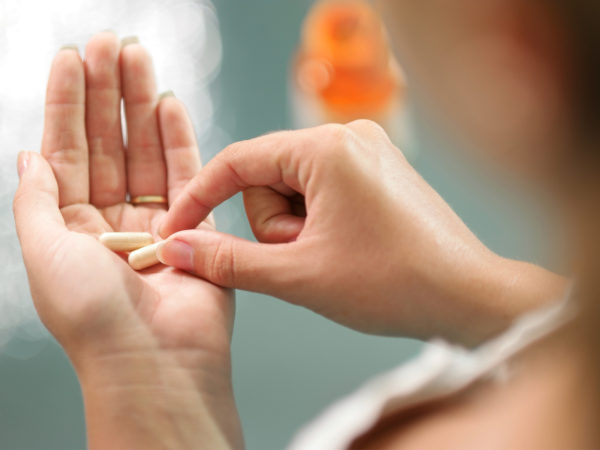


I wouldn't count on a pill to give you the benefits of exercise, at least not anytime soon. The substance you're referring to is known as AICAR and has been tested for its effects on exercise only in mice. A study published in the July 30, 2008, online issue of the scientific journal Cell reported that when this compound was given to mice that normally didn't get any exercise, they were able to run 44 percent longer on a treadmill than mice that didn't get the substance.
The researchers, at the Salk Institute for Biological Studies in La Jolla, California, said that in mice, AICAR appears to transform the composition of muscle from sugar-burning fast-twitch fibers to fat-burning slow-twitch ones. That's the same change that takes place after training in distance runners and cyclists.
So far, we don't know whether AICAR will work the same way in humans, or whether it can benefit either athletes or coach potatoes. The notion that it might help comes from observations that the chemical pathways that transform muscle cells are the same for humans as they are for mice.
Since word of this study got out, the lead researcher said he had been contacted by dozens of athletes and overweight people - the athletes seeking a competitive edge, and the overweight an easy way to get the benefits of exercise. At present, however, we have no clue as to whether the substance would be safe for humans or what dosage would be required to get the effects seen in mice. AICAR is sold through scientific suppliers for $120 per gram; at that price, a daily dose equivalent to what the mice received would cost thousands of dollars.
Researchers hope that further studies will tell us whether AICAR's fat-burning effects could help humans lose weight, avoid diabetes and heart disease, and help bedridden patients become fit.
At this point, whether you're an athlete or a couch potato, I'm afraid there are no shortcuts to superior performance or improved fitness. You'll have to do it the old fashioned way - with discipline, and by putting in the time, energy and sweat.
Andrew Weil, M.D.