


Q & A Library


Print this page | Send to a friend | Sign up for free e-bulletins
 | Bookmark This Page

FREE E-Bulletins
Free HealthTips & Advice
Email


Digg!

Q
Are Diet Drinks Making You Fat?
I know you’re not a fan of artificial sweeteners, but I wonder what you think of the recent study that linked no-cal sweeteners to weight gain? How can a no-cal beverage such as diet soda do that?
A
Answer (Published 3/21/2008)

Originally posted 3/21/2008

A study from Purdue University published in February 2008 did connect no-cal sweeteners with weight gain - in rats. The investigators speculate that the sweeteners change the way a rodent's body regulates food intake and that this effect might apply to humans, too. There's certainly some circumstantial evidence that artificial sweeteners are implicated in the obesity epidemic: the number of Americans consuming artificially sweetened food and drink rose from 70 million in 1987 to 160 million in 2000. During that same period, obesity rates rose dramatically.

Related Weil Products
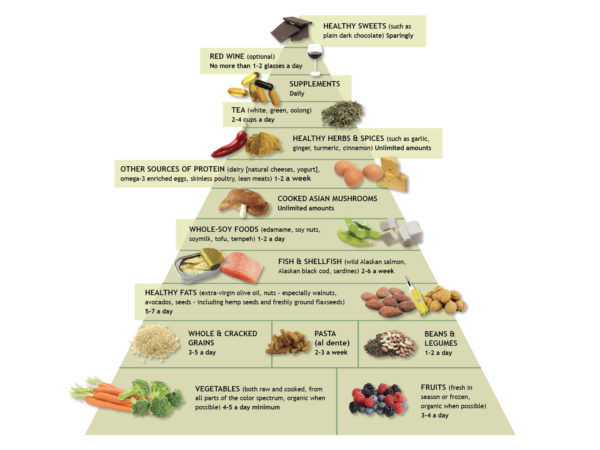
Dr. Weil on Healthy Aging for Healthy Eating - Dr. Weil on Healthy Aging for Nutrition - Want to change your diet? The Dr. Weil on Healthy Aging online guide is your anti-inflammatory diet headquarters. Start your free trial and get access to an exclusive version of Dr. Weil's Anti-Inflammatory Food Pyramid, hundreds of recipes, eating guides, and more.

Here's what happened in the Purdue study: the researchers were looking for indications that the artificial sweetener they used (saccharin) affected the lab rats' ability to regulate their food intake. They measured this by assessing the animals' (1) caloric intake; (2) weight gain and (3) ability to reduce their intake to compensate for what they had been eating. They also measured the animals' core body temperature, which rises as metabolism revs up at mealtime. The rats fed yogurt sweetened with saccharin had a much smaller rise in core body temperature after eating than did the ones that got sugar-sweetened yogurt. The investigators' explanation is that the lower core temperature response in the saccharin group led to overeating and made it harder for the animals to burn off the calories they consumed.

advertisement

We don't know that this occurs in humans, but earlier evidence shows that people who drink more diet drinks are at higher risk for obesity and metabolic syndrome.

I'm sure this study isn't the last word on the subject. Other researchers have found a connection between artificially sweetened foods and beverages and weight loss, but in many of those cases, other weight loss measures were employed as well. I find the Purdue findings thought-provoking. I have long advised people to stay away from artificial sweeteners for various reasons, and I do not believe they are an effective strategy for losing weight. In fact, evidence is accumulating that they make it harder to do so.

Andrew Weil, M.D.

Do artificial sweeteners play a role in your diet? Click here to compare notes on their effects in our discussion groups.
advertisement
 
Copyright © 2009 Weil Lifestyle, LLC
Information on this web site is provided for informational purposes only and is not intended as a substitute for the advice provided by your physician or other healthcare professional. You should not use the information on this web site for diagnosing or treating a health problem or disease, or prescribing any medication or other treatment.