

Q & A Library


Print this page | Send to a friend | Sign up for free e-bulletins
 | Bookmark This Page

FREE E-Bulletins
Free HealthTips & Advice
Email


Bookmark and Share

Q
Eat More Meat?
I have been a vegetarian for 20 years. I recently was urged by a nutritionist to start eating meat to help with blood sugar issues. She wants me to eat organic meat from grass fed cattle. Is eating this type of meat better than others? And is it better for me than being a vegetarian?
A
Answer (Published 2/12/2008)

I was a lacto-vegetarian (my diet included dairy products) from 1970 to about 1987, when I started eating fish, so I know from personal experience that a vegetarian diet can be both healthy and satisfying. For the record, vegetarians have a lower than normal incidence of heart disease and cancer and lower risks of obesity and diabetes. Vegans (vegetarians who exclude all animal products from their diets) can easily become deficient in omega-3 fatty acids, vitamin B12, and other micronutrients and will need dietary supplements.

Related Weil Products
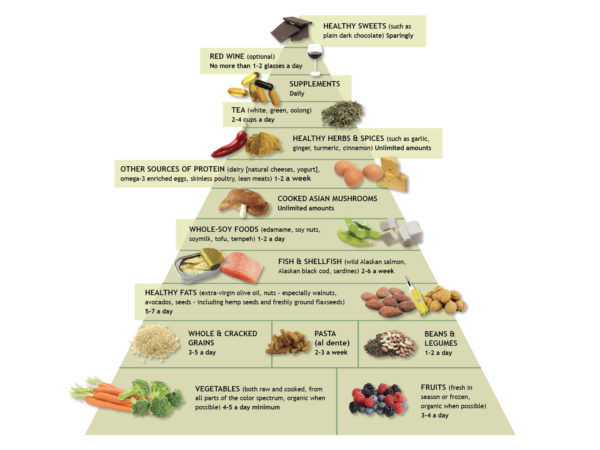
Dr. Weil on Healthy Aging for Healthy Eating - Dr. Weil on Healthy Aging for Nutrition - Want to change your diet? The Dr. Weil on Healthy Aging online guide is your anti-inflammatory diet headquarters. Start your free trial and get access to an exclusive version of Dr. Weil's Anti-Inflammatory Food Pyramid, hundreds of recipes, eating guides, and more.

Without knowing more about your health history, I can’t say whether the advice to begin eating meat was sound. Some people do not do well on vegetarian and vegan diets, especially if they do not pay attention to the principles of good nutrition; they may experience lack of energy and just not feel well. But I can tell you that you can get adequate protein from plant foods; legumes, whole grains, seeds and nuts. Soy protein is equivalent to the protein you would get from meat, chicken, fish or eggs.

If you do eat meat, getting it from grass-fed cattle is much better for you than the beef from animals raised on factory farms and fed grain (not to mention hormones and antibiotics). Cattle have evolved to eat grass; they are not adapted to digest grains, which wreak havoc with their digestive systems (one reason they need antibiotics on feedlots).

advertisement

Meat from grass-fed cattle is lower in saturated fat than meat from cattle fed on grain. It also has more omega-3 fatty acids, vitamin E and conjugated linoleic acid - all good for human health. Incidentally, organic beef isn't necessarily grass-fed. The cows may be raised in pesticide-free pastures, but they are taken to feedlots and fed (organic) grain prior to slaughter.

Grass-fed beef is somewhat more expensive than the meat you're accustomed to buying in the supermarket, even though it is becoming more widely available. And it may vary in flavor from batch to batch, depending on where and when it was produced.

Give your new diet a reasonable trial - say two or three months - then decide if it’s doing enough good for you to stay on it.

Andrew Weil, M.D.

Have you tried grass-fed beef? Click here to debate the pros and cons in our discussion groups.
Creative Commons License Some Rights Reserved Creative Commons Copyright Notice
A portion of the original material created by Weil Lifestyle, LLC on DrWeil.com (specifically, all question and answer-type articles in the Dr. Weil Q&A Library) is licensed under a Creative Commons Attribution-Noncommercial-No Derivative Works 3.0 United States License.
advertisement
 
Copyright © 2010 Weil Lifestyle, LLC
Information on this web site is provided for informational purposes only and is not intended as a substitute for the advice provided by your physician or other healthcare professional. You should not use the information on this web site for diagnosing or treating a health problem or disease, or prescribing any medication or other treatment.