

Q & A Library


Print this page | Send to a friend | Sign up for free e-bulletins
 | Bookmark This Page

FREE E-Bulletins
Free HealthTips & Advice
Email


Bookmark and Share

Q
Are Blood Thinning Supplements Dangerous?
It seems that lots of things that are good for you are also natural blood thinners. How do you know how much is too much? I recently cut myself and bled rather too much. Now I'm afraid of eating any food or taking supplements that can thin blood.
A
Answer (Published 1/25/2008)

You're right, several supplements can increase the risk of bleeding through an anti-coagulant effect, but they rarely cause problems either alone or in combination. You're unlikely to run into any problems with them unless you're also taking blood thinning medications such as Coumadin, a drug prescribed to prevent the formation of clots that can block the flow of blood to the heart or brain and cause heart attacks and strokes.

Related Weil Products
Dr. Weil's Vitamin Advisor for Supplements & Herbs - If you are interested in supplementing your diet, and want to take the mystery out of choosing vitamins, try Dr. Weil's Vitamin Advisor. Visit today for your free, personalized Dr. Weil's Vitamin Advisor Recommendation.

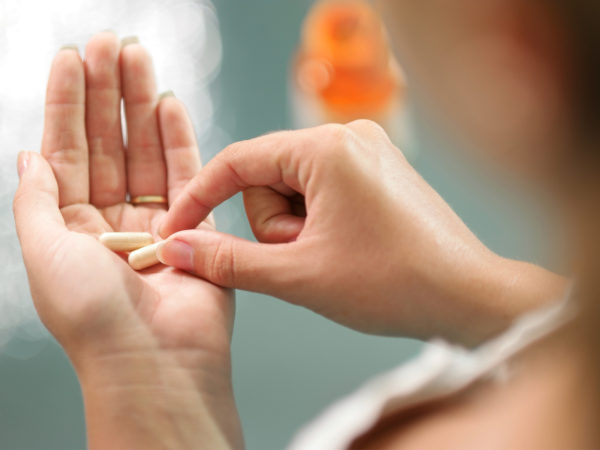
Supplements that have been associated with an anti-coagulant effect include St. John's wort, coenzyme Q10, dong quai, feverfew, garlic and vitamin E. If you are on Coumadin, be sure to tell your physician about any supplements you are taking. If you wish to continue with them, take them regularly so that any necessary adjustments can be made when you take your regular lab tests. Normally, doctors perform these tests monthly on all patients taking Coumadin to make sure that their blood clotting time remains in the right range.

advertisement

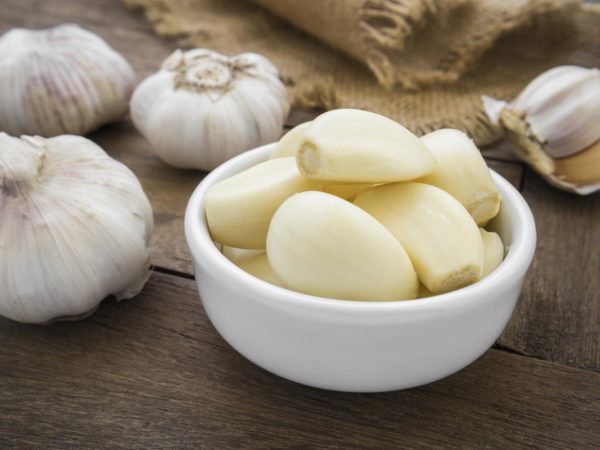
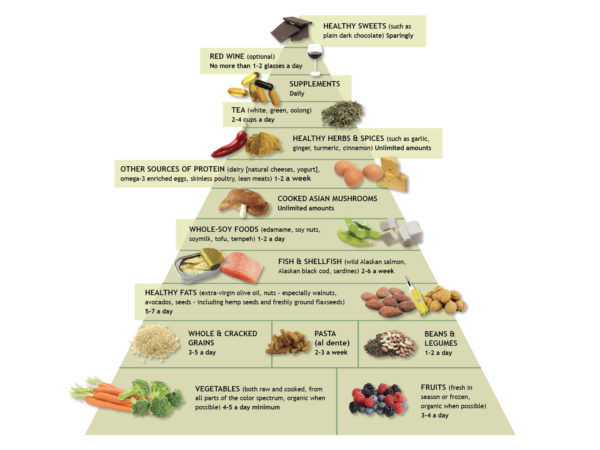
In addition to the supplements listed above, omega-3 fatty acids make the blood less likely to form clots, which is one of the reasons why they're so highly recommended for prevention of heart disease. You get omega-3s from eating oily fish such as salmon, sardines, and herring or taking fish oil supplements. My longstanding recommendation is to consume two to three servings of fish per week. The American Heart Association recommends eating at least two fish meals a week. Some foods, including garlic and onions, have anticoagulant effects, but here, too, neither is likely to cause bleeding problems.

I doubt that any supplements or foods were responsible for the excessive bleeding you experienced. If it happens again, you might ask your physician to check your blood clotting time.

Andrew Weil, M.D.

Have you associated excessive bleeding with any food or supplement? Click here to share your story in our discussion groups.
Creative Commons License Some Rights Reserved Creative Commons Copyright Notice
A portion of the original material created by Weil Lifestyle, LLC on DrWeil.com (specifically, all question and answer-type articles in the Dr. Weil Q&A Library) is licensed under a Creative Commons Attribution-Noncommercial-No Derivative Works 3.0 United States License.
advertisement
 
Copyright © 2010 Weil Lifestyle, LLC
Information on this web site is provided for informational purposes only and is not intended as a substitute for the advice provided by your physician or other healthcare professional. You should not use the information on this web site for diagnosing or treating a health problem or disease, or prescribing any medication or other treatment.