


Q & A Library


Print this page | Send to a friend | Sign up for free e-bulletins
 | Bookmark This Page

FREE E-Bulletins
Free HealthTips & Advice
Email


Digg!

Q
Avoiding Midlife or Menopause Weight Gain?

Is weight gain at menopause inevitable? I've put on 14 pounds and can't seem to lose them. Any suggestions?

A
Answer (Published 9/17/2007)

Menopause doesn't necessarily lead to weight gain, but the hormonal shifts underlying this change of life definitely affect body fat distribution. Weight tends to shift out of the hips and thighs to the abdomen, turning some "pear shaped" women into "apples." I've read that the average woman puts on two to five pounds during the menopausal transition, but I know that many women complain of greater gains.

Related Weil Products
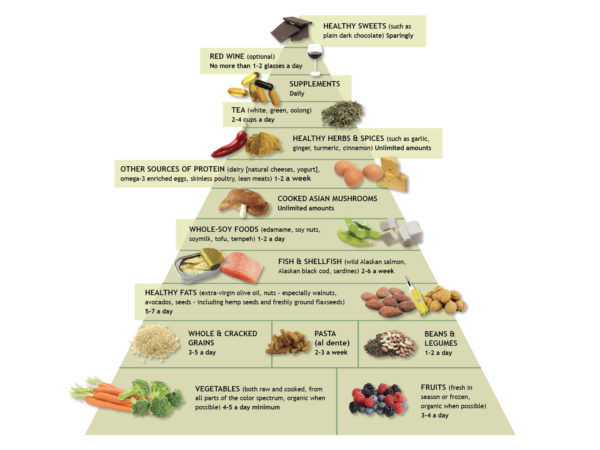
Dr. Weil on Healthy Aging for Preventive Health - Dr. Weil on Healthy Aging for Body, Mind and Spirit - The Dr. Weil on Healthy Aging online guide provides simple, effective preventive health information to help you lessen your risk of age-related diseases and illness - including an exclusive version of Dr. Weil's Anti-Inflammatory Food Pyramid! Start your 14-day free trial now - and make every day a healthy one!

Part of this problem has to do with issues that are unrelated to menopause. First of all, as we get older, we need fewer calories because there's a shift from lean muscle mass to fat and a consequent slowdown in metabolism. If you want to maintain your weight as you get older and avoid menopause weight gain, you have to cut back your food intake by about 200 calories per day; this applies to men as well as women.

The other part of the equation is exercise. Ample evidence suggests that regular exercise prevents menopause weight gain. And at this time of life exercise is particularly important for a number of other reasons: weight bearing exercise such as walking can keep your bones and heart strong and also lower your risk of breast cancer. Regular physical activity may also help reduce hot flashes, counter depression, sharpen your thinking, and promote good sleep.

advertisement

Calcium and vitamin D supplements may also help prevent postmenopausal weight gain. A study published in the May 14, 2007 issue of the Archives of Internal Medicine found that women who took both supplements gained less weight than those who didn't. Researchers from Kaiser Permanente Northern California, Oakland, studied more than 36,000 women of ages 50 to 79 enrolled in the Women's Health Initiative, a large U.S. government-sponsored clinical trial. The women were randomly assigned to take either 1,000 mg of calcium plus 400 IU of vitamin D or a placebo daily. They were weighed every year during the seven year course of the study. Although the differences at the end of the study were not large, the women who took the supplements had a lower risk of gaining small amounts of weight and a higher likelihood of staying within 2.2 pounds of their initial weight. I recommend that women take 500 to 700 mg of calcium citrate in two divided doses taken with meals, for a total daily intake of 1,000-1,200 mg from all sources and 1000 IU of vitamin D3 (cholecalciferol) with the largest meal.

Andrew Weil, M.D.

Read more of Dr. Weil's menopause articles.

Has menopause affected your weight? Click here to compare notes in our discussion groups.
advertisement
 
Copyright © 2008 Weil Lifestyle, LLC
Information on this web site is provided for informational purposes only and is not intended as a substitute for the advice provided by your physician or other healthcare professional. You should not use the information on this web site for diagnosing or treating a health problem or disease, or prescribing any medication or other treatment.