


Q & A Library


Print this page | Send to a friend | Sign up for free e-bulletins
 | Bookmark This Page

FREE E-Bulletins
Free HealthTips & Advice
Email


Bookmark and Share

Q
Hormones for Prostate Cancer?

I cannot understand how experts can have such opposing views concerning the roles of testosterone and estrogen in prostate cancer. What is your opinion on the issue of male hormone replacement?

A
Answer (Published 8/2/2007)

Like breast cancer, prostate cancer is a hormonally driven disease. The main hormone of concern here is testosterone, which is responsible for male secondary sex characteristics as well as some of the sex drive in both men and women. Because most prostate cancers need testosterone to grow, one approach to treatment is to suppress its production with drugs. This therapy used to be reserved for advanced or recurrent prostate cancer, but is now sometimes recommended for men with early stage disease.

Related Weil Products
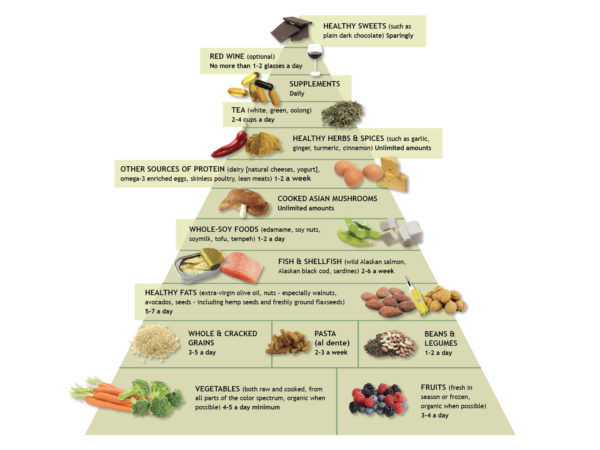
Dr. Weil on Healthy Aging for Men's Health - Dr. Weil on Healthy Aging for Men's Health - Help keep your prostate healthy with simple changes to your lifestyle and diet. Learn more - and get access to an exclusive version of Dr. Weil's Anti-Inflammatory Food Pyramid - start your free trial of the Dr. Weil on Healthy Aging online guide today!

It's important to know that not all prostate cancers are testosterone-dependent (just as all breast cancers are not estrogen-dependent). Also, as prostate tumors grow, cells composing them may lose their sensitivity to testosterone.

The drugs that shut down testosterone production are called LHRH (luteinizing-hormone-releasing-hormone) agonists. Estrogen can sometimes help, too, but because its use has been linked to blood clots and breast enlargement and tenderness, the LHRH agonists are now preferred (although estrogen may still be recommended when testosterone- based therapies no longer work). At best, hormone therapy shrinks prostate tumors by 85-90 percent but doesn't cure the disease; the effects last only 24 to 36 months.

advertisement

Because prostate cancer is hormonally dependent, you may be able to lower your risk of the disease by avoiding commercially raised beef containing hormones. Diets high in red meat and saturated fat have been correlated with an increased risk for prostate cancer. High calcium intake from dairy foods has also been implicated (calcium might use up vitamin D, which is protective against cancer in the prostate). For this reason I recommend keeping your daily intake of calcium below 700 mg from all sources and taking 2,000 IU a day of vitamin D3. A diet that includes soy foods (particularly from an early age) also appears to be protective. The protective phytoestrogens in soy foods can lower the risks of both prostate and breast cancer. Increase your fiber intake, as well - fiber helps your body eliminate hormones such as testosterone. Freshly ground flax seeds are a good source of fiber. Sprinkle one to two tablespoons daily on cereal, salad or cooked vegetables.

As for testosterone replacement, I'm concerned about its inappropriate use. Taking sex hormones of any kind can increase the risk of hormonally sensitive cancers. In my view, testosterone replacement should be considered only when blood tests indicate a deficiency in the natural production of this hormone that might be contributing to some medical problem.

Andrew Weil, M.D.

Have you been treated for prostate cancer? Click here to report results in our discussion groups.
Creative Commons License Some Rights Reserved Creative Commons Copyright Notice
A portion of the original material created by Weil Lifestyle, LLC on DrWeil.com (specifically, all question and answer-type articles in the Dr. Weil Q&A Library) is licensed under a Creative Commons Attribution-Noncommercial-No Derivative Works 3.0 United States License.
advertisement
 
Copyright © 2010 Weil Lifestyle, LLC
Information on this web site is provided for informational purposes only and is not intended as a substitute for the advice provided by your physician or other healthcare professional. You should not use the information on this web site for diagnosing or treating a health problem or disease, or prescribing any medication or other treatment.