

Q & A Library


Print this page | Send to a friend | Sign up for free e-bulletins
 | Bookmark This Page

FREE E-Bulletins
Free HealthTips & Advice
Email


Digg!

Q
Getting the Most From Your Vitamins and Mineral Supplements?
What is the optimum time of day to take vitamins and mineral supplements? Are there certain foods that interfere with absorption?
A
Answer (Published 10/9/2006)

There are no rules about the best time of day to take supplements. My advice is to take them when they agree with you most. Many people find taking pills of any kind as part of a morning routine makes it easier to remember, so taking them with breakfast is a popular option. Vitamins and mineral supplements can cause nausea, heartburn, and other gastric disturbances, especially when taken on an empty stomach. For best absorption and the least irritation to the stomach, I generally suggest taking your supplements with a meal containing fat. This is particularly important for the fat-soluble vitamins (A, D and E). Experiment with taking your supplements with lunch or dinner, if they cause you problems with breakfast.

Related Weil Products
Dr. Weil's Vitamin Advisor for Your Body - Foods, herbs and drugs can all interact, sometimes in unexpected ways. Dr. Weil's Vitamin Advisor takes known interactions into account when developing recommendations, to help safeguard against adverse effects. Learn more, and get your free, personalized Dr. Weil's Vitamin Advisor recommendation today.

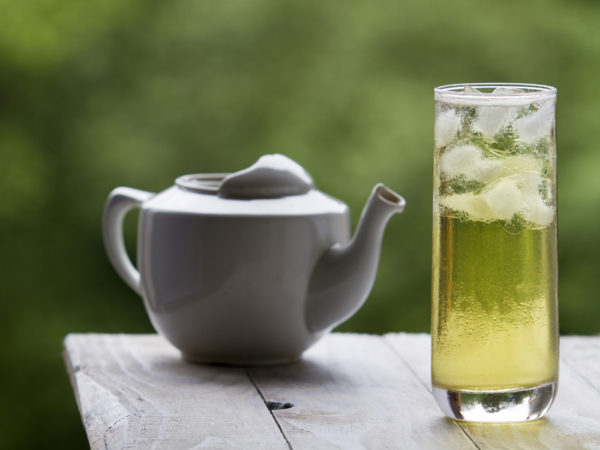
Foods - or an empty stomach - can also interfere with absorption of some vitamins and mineral supplements. With calcium, for instance, you need enough stomach acid to assimilate it so you're better off taking it after you've eaten, because food in the stomach stimulates acid secretion. Tannins in tea can block absorption of iron, while vitamin C enhances iron absorption, as do fermented soy foods such as miso and the lactic acid in both yogurt and sauerkraut. Other foods that interfere with iron absorption include caffeinated beverages, eggs, milk and bran. (You shouldn't be taking iron supplements or a multivitamin/mineral containing iron unless you're a premenopausal woman with a heavy menstrual flow or your doctor has recommended an iron supplement because a test has shown that you're iron deficient). In addition to these foods, excess consumption of alcohol can interfere with absorption of several vitamins and mineral supplements.

advertisement

If you're eating a healthy, balanced diet, however, you have no reason to worry about foods interfering with the absorption of your vitamins and mineral supplements.

Andrew Weil, M.D.

Visit Dr. Weil's Vitamin Library for comprehensive information on vitamins and mineral supplements.
advertisement
 
Copyright © 2008 Weil Lifestyle, LLC
Information on this web site is provided for informational purposes only and is not intended as a substitute for the advice provided by your physician or other healthcare professional. You should not use the information on this web site for diagnosing or treating a health problem or disease, or prescribing any medication or other treatment.