


People with diabetes often develop problems with their feet. The burning your mother is experiencing is a common sign of diabetic neuropathy - damage to the nerves in the feet - as a result of impaired circulation. This process can also lead to a loss of feeling, which can increase the possibility of injury and infection. For this reason, diabetics should check their feet every day (even the bottoms, using a mirror if necessary) and report any sign of injury to their doctors. In addition, their feet should be examined by a physician (or other health-care provider) at least once a year, more often if they have problems - including burning sensations.
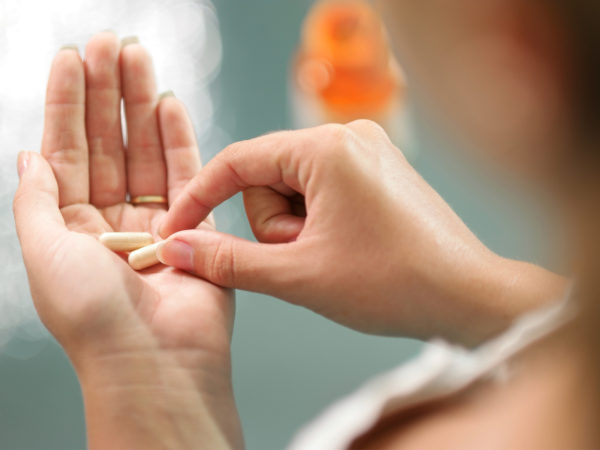
Most important, of course, is to make sure that blood sugar is under control. Even if your mother is insulin-dependent, she might benefit from taking GTF chromium (start with 200 micrograms a day), and herbs such as Asian bitter melon (Momordica charantia), prickly pear cactus (Opuntia spp), and ayurvedic gurmar (Gynema sylvestre). To help prevent and treat diabetic neuropathy, I recommend taking alpha lipoic acid as a supplement. This antioxidant can enhance glucose uptake and inhibit glycosylation, the abnormal attachment of sugar to protein. Start with 200 mg daily and increase gradually. You can go up to a maximum of 1,000 mg per day.
Finally, I suggest that your mother try acupuncture, which may help relieve the burning, and follow the foot-care tips below recommended for everyone with diabetes:
- Wash your feet daily with lukewarm water and mild soap; dry well, especially between the toes.
- Use a cream or lanolin lotion to keep the skin of your feet smooth; talk to your doctor about any cracks in the skin.
- Never walk barefoot.
- Don't let your feet get too hot or cold.
- Don't wear shoes without socks (avoid sandals and other open-toed shoes).
- Avoid high heels and shoes with pointy toes.
- Wear well-padded socks or stockings that are one-half inch longer than your longest toe; avoid stretch socks, those made from nylon and those with elastic bands or inside seams.
Andrew Weil, M.D.